Pickles in Pakistan: Types, Benefits & Where to Buy Shikarpuri Pickles
Walk into any Pakistani home at mealtime and you will probably spot a jar of pickles on the table. Spicy, sour, sweet or crunchy, pickles are part of how we eat. This guide covers the most loved types of pickles in Pakistan, what makes them different, how traditional Shikar pur recipes work, and how to buy a jar you can trust.
Pickles vs Achar: Is There a Difference?
No. Achar is simply the Urdu and Hindi word for pickle. In Pakistan you will see both words used for the same thing: vegetables or fruits preserved in oil, vinegar, salt and spices. The difference lies in the recipe, the oil and the region.
Why Shikar pur Is Linked With Pickles
Popular Types of Pickles in Pakistan
1. Mango Pickle
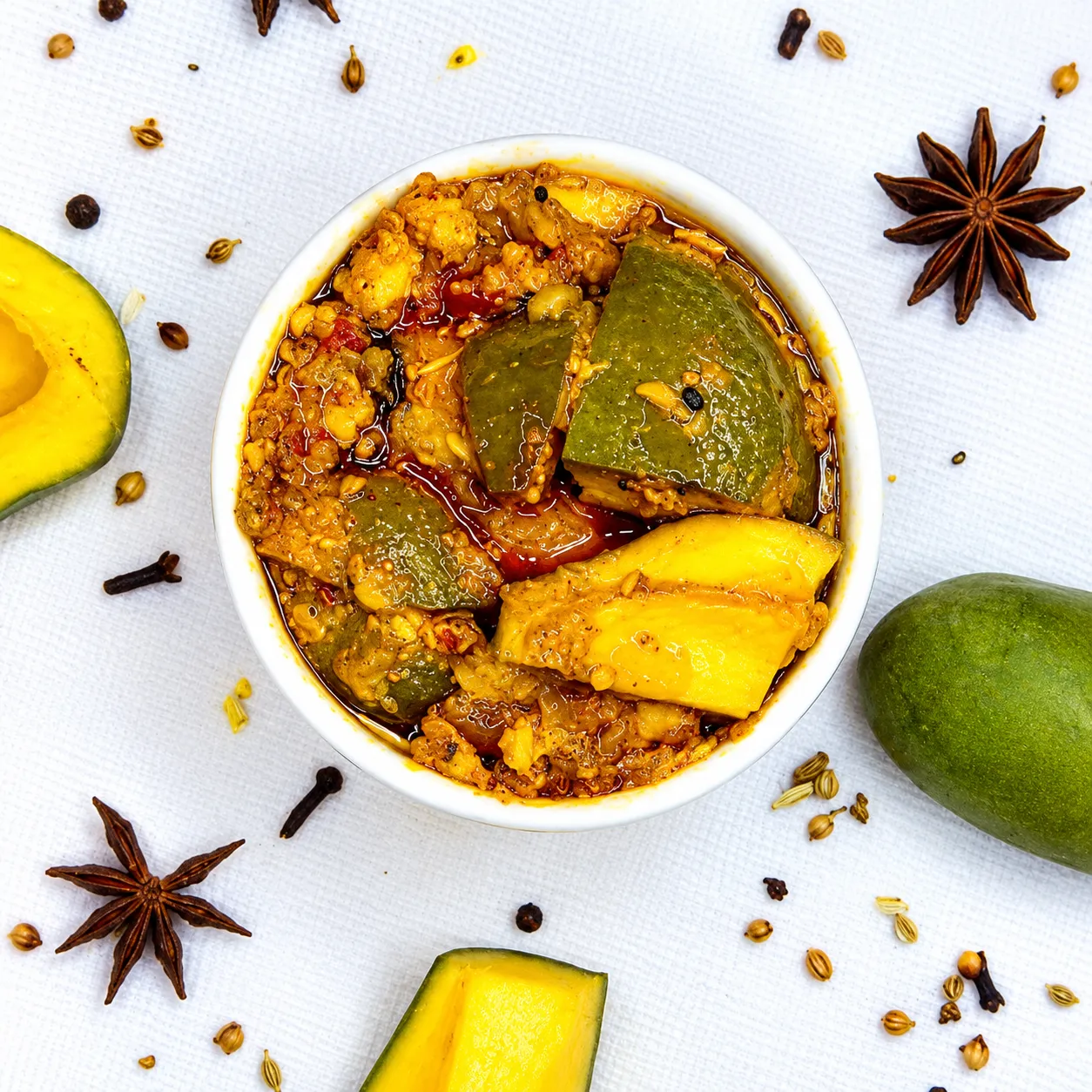
The most iconic pickle. Raw mango pieces are cured with fennel, nigella, fenugreek and chilli in mustard oil. Sour, spicy and made for paratha and rice. Try our Mango Sirka Achar.
2. Mixed Pickle
A mix of carrot, turnip, cauliflower, lemon and chilli. It is the safest first choice if you are unsure what to order. See our Mix Achar and Mix Crushed Pickle.
3. Green Chilli Pickle
Hot, tangy and addictive. Best with biryani, kebabs and daal. Our Green Chilli Achar is a customer favourite.
4. Lemon Pickle
Salty, sour and classic. Often eaten with khichdi and simple rice dishes. Try Lemon Achar.
5. Carrot and Onion Pickle
Crunchy, mild and great for everyday meals. See Carrot Achar and Onion Achar.
6. Garlic and Ginger Pickle
Bold flavours for people who love a strong kick. Explore Lehsun Achar and Adrak Achar.
7. Chutneys and Murabba
Sweet and sour options such as Imli Chutney, Green Chutney and fruit murabba. Browse the full Khalis Murabba collection.
How Traditional Pickles Are Made
- Selecting fresh produce: firm, unblemished vegetables and fruits.
- Washing and drying: moisture is the enemy of pickles, so produce is dried well, often in the sun.
- Salting and curing: salt draws out water and protects against spoilage.
- Spice mixing: coarsely ground whole spices for aroma and texture.
- Mustard oil: the pickle is covered in oil, which acts as a natural barrier.
- Resting: the jar sits for days or weeks so flavours blend properly.
Good pickles take time. Factory pickles often skip the resting stage and use shortcuts instead.
Are Pickles Healthy?
In small amounts, pickles can add flavour and variety to a meal, and traditionally prepared pickles use natural ingredients like lemon, garlic and ginger. But they are also high in salt and oil, so enjoy them as a side, not a main dish. If you have high blood pressure or a medical condition, check with your doctor about how much is suitable for you.
6 Tips for Buying Pickles Online in Pakistan
- Read the ingredients. Mustard oil, salt, spices and natural souring agents are what you want to see.
- Avoid artificial colours. Pickles should get their colour from spices, not dyes.
- Check the seal. A foil seal and airtight cap prevent leakage.
- Look at real reviews and photos.
- Start small. Try a mixed pickle before ordering several jars.
- Choose COD. Cash on delivery is safest for a first order.
Order from Premium Pickle Today
Pickles are small, but they carry big flavour and big memories. Whether you love sour mango, fiery chilli or crunchy mixed achar, choose jars made the traditional Shikarpuri way.
Ready to try? Browse all pickles at Premium Pickle and get them delivered to your door.